
Mind-body practices changed my relationship with myself and my ability to be present in my body
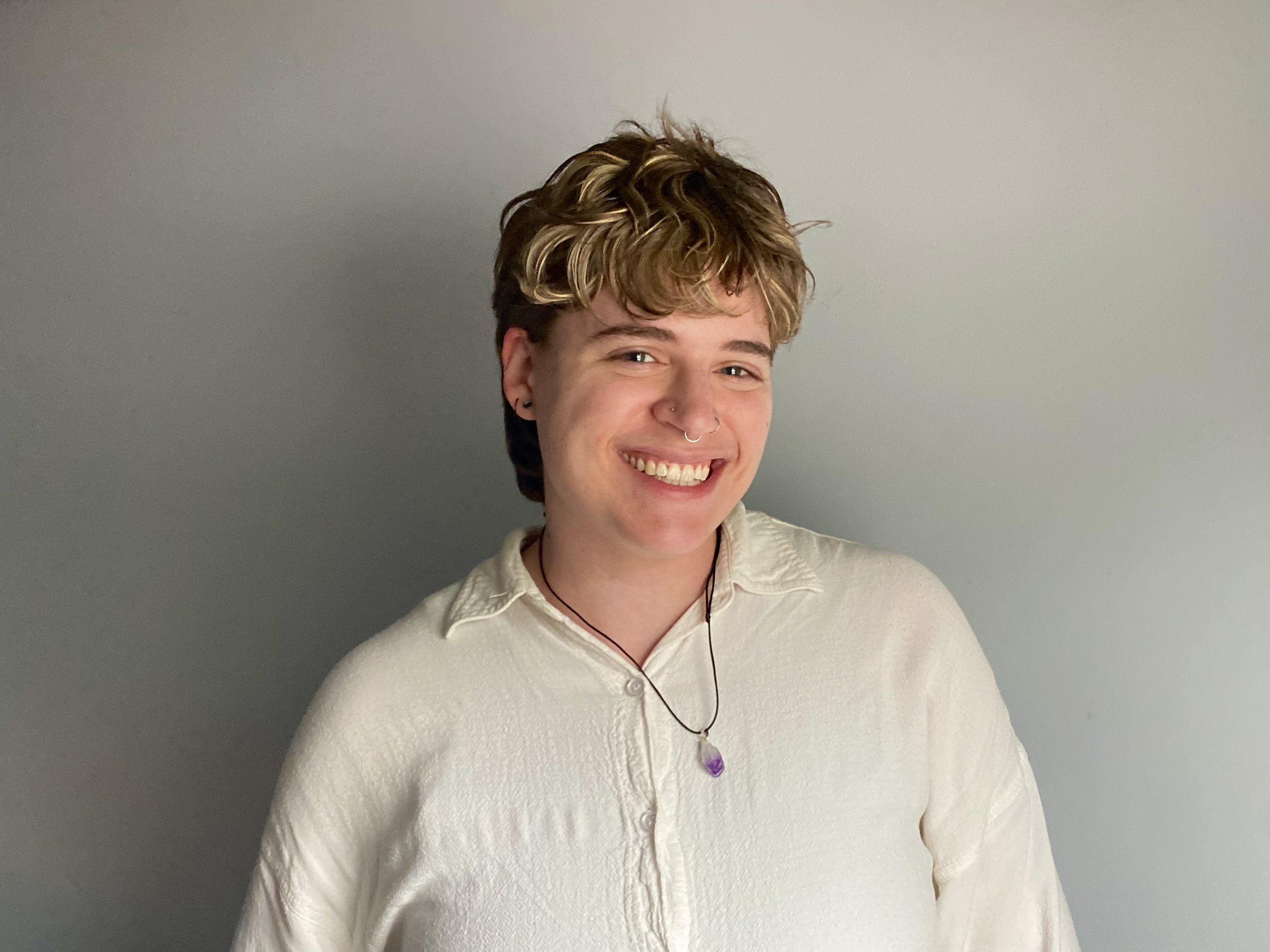
About Kari
Kari Ostensen (they/them) is an AmSAT certified Alexander Technique Teacher, movement educator, and independent movement artist based in New Haven, CT. Their work explores the mind-body connection, how trauma and grief show up in the body, and creating spaces for deepening awareness and embodiment so we can be more present in our bodies and our communities.
As someone living with chronic illness, they prioritize dialogue, consent, and an anti-ableist framework in all of their teaching and performance work.

My journey
From a young age, I was constantly injured and suffering from chronic pain along with a long list of “unexplainable” symptoms that doctors and specialists attributed to stress. By the time I was in high school, I was wearing two knees braces every day and relying on a continuous rotation of ice packs, kinesiology tape, physical therapy, and self massage in order to continue dancing. I was always told that I would grow out of it.
It wasn’t until I got to college and was taking dance classes that prioritized listening to my body and somatic movement, that my pain became manageable. Through somatic movement classes, I was introduced to the Alexander Technique and began to expand my awareness for my body in a way that clicked. I decided to explore this further and interned at the Balance Arts Center in NYC. During my internship, I got to be a practice student in the Teacher Training Course every day for 6 weeks. In those 6 weeks, some of my pain symptoms completely subsided and I knew that I had to pursue the full teacher training.
Over the course of the 1600 hour teaching training, my understanding of my body and what it means to be present in my body shifted greatly. About halfway through the training, I also experienced a major shift in my “unexplainable” symptoms for the worse. I was experiencing extreme fatigue, brain fog, and dizziness. Just like when I was younger, I went from specialist to specialist looking for answers, but again, they couldn’t find anything wrong with me. Because all of my tests came back normal and I had a history of mental health diagnoses, my symptoms were deemed psychosomatic with no treatment options. This was devastating.
Fortunately, my AT teacher training was an anchor during this time. As I struggled with the experience of being in an ever-changing body, I had expanded my mind-body awareness and had the tools to continue to be present in my body. In a time where all I wanted was to disconnect, this work helped me to accept myself and my body where I was in any moment. I was able to find a sense of agency when it felt like my symptoms were out of control and through this, I was able to learn to live with my chronic illness. This sense of agency also empowered me to advocate for myself with doctors so I could finally get some answers for what was going on.
Now, I combine the Alexander Technique work with other somatic practices to work with folks on nervous system regulation, pain management, deepening the connection to the body, and building awareness to have a greater sense of agency and autonomy.
I bring this work into a number of spaces, including mental health and addiction facilities, because I believe that through deepening our connection to ourselves, we can building collective care in community.
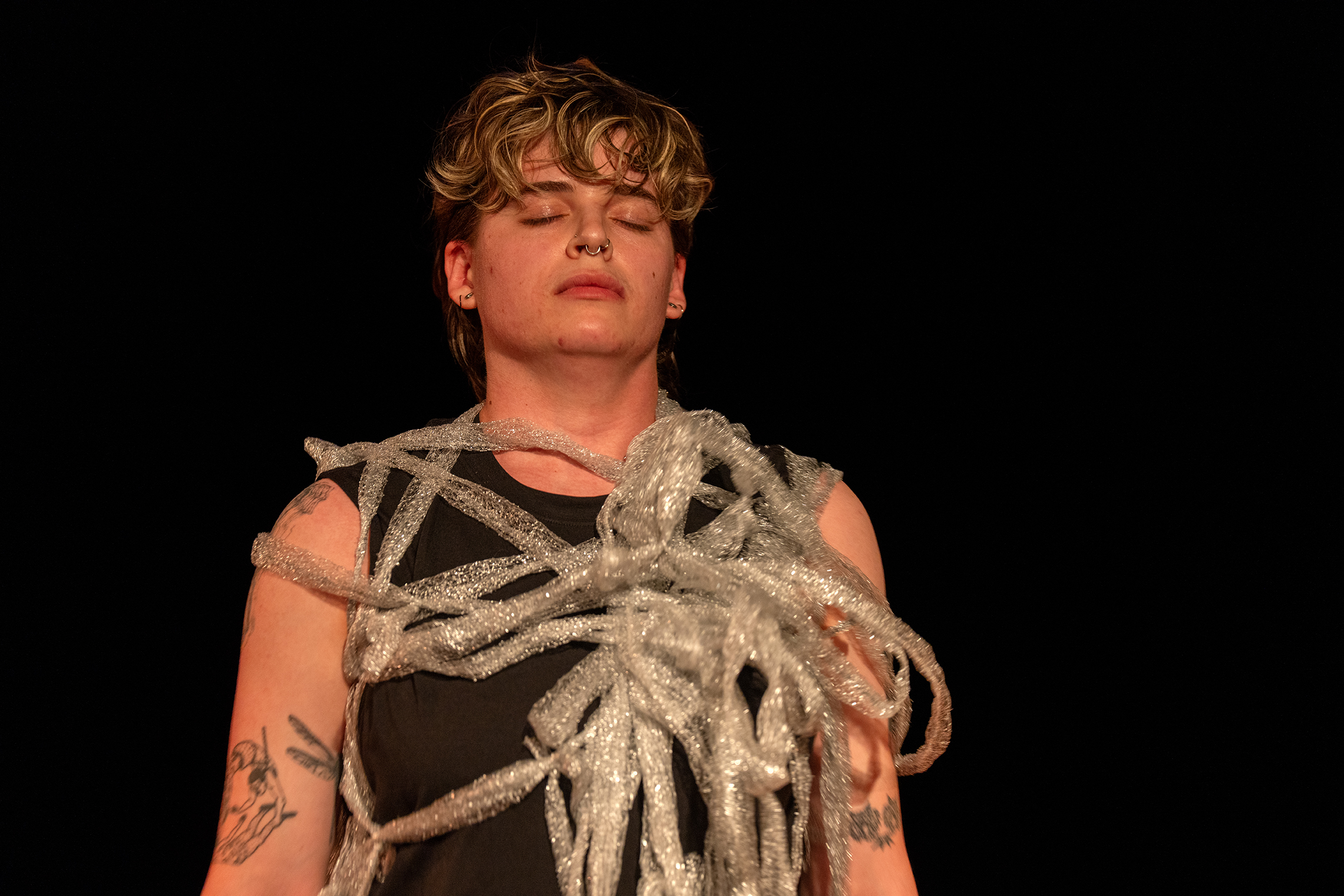
Performance Work
My most recent work has explored disability grief, generational trauma, and embodiment. I was a Brooklyn Arts Exchange EmergeNYC 2025 Flagship Artist and have performed in my own work and the works of others at Center for Performance Research, Bennington College, Balance Arts Center, Salvatore Larussa Dance Theater, and West Beth.